Slow Shopping in Action
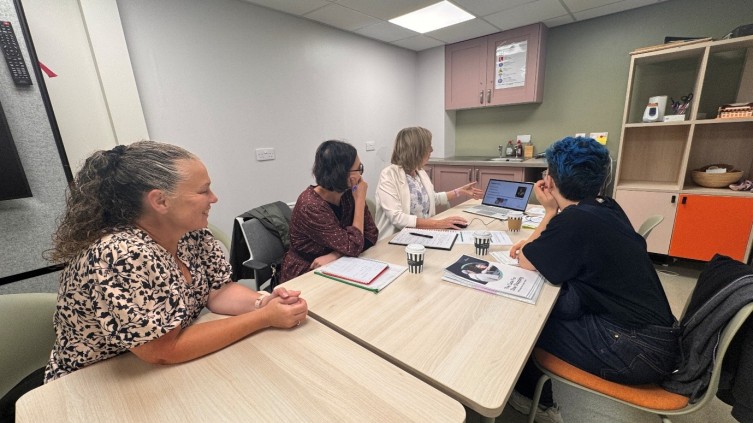
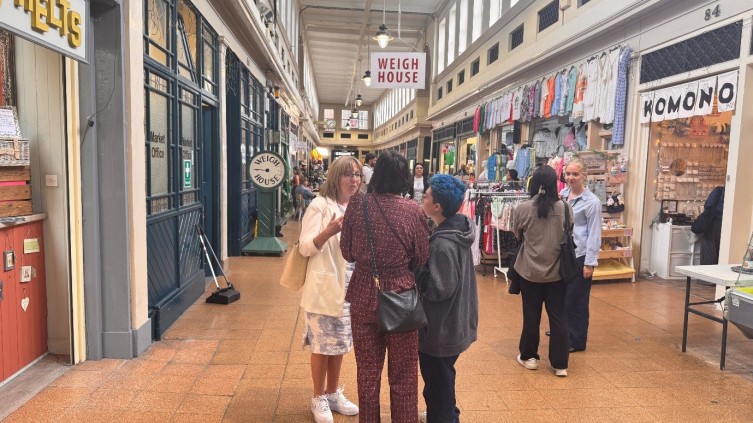
What does a truly inclusive shopping experience look like? On 6 August, we joined Katherine Vero and the team from Fundación Diagrama at the Grainger Market to find out, seeing first-hand how Slow Shopping is helping make one of the city's busiest public spaces more accessible and welcoming for everyone.
Small Changes, Big Difference
During our visit to the Grainger Market, one thing became immediately clear: Slow Shopping is built on a simple but powerful idea. People should not have to change who they are to access and enjoy public spaces. Instead, those spaces should be designed to be calmer, more accessible and more welcoming.
Experiencing the initiative first hand highlighted how small adjustments can have a significant impact. Every Tuesday afternoon, when the market is naturally quieter, traders are encouraged to reduce music and background noise, helping to create an environment that feels less overwhelming and easier to navigate.
What stood out was that Slow Shopping is not about creating separate experiences or labelling people. It is about removing barriers that can make everyday activities more challenging for older people, people living with dementia, people with sight loss, and others who benefit from a more supportive environment. By adapting the space rather than expecting people to adapt themselves, the initiative helps people maintain their confidence and independence.
A Community That Knows Your Name
One of the most powerful examples we heard during the visit was Clive's story.
Living with a visual impairment, Clive had previously lost confidence in navigating public spaces on his own. After being introduced to Slow Shopping through the National Innovation Centre for Ageing (NICA), he began visiting the market regularly.
Over time, the impact extended far beyond the quieter shopping environment. Traders got to know Clive by name, understood his preferences, and built genuine relationships with him. As those connections grew, so did his confidence, allowing him to shop independently again.
His story demonstrates that the value of Slow Shopping goes beyond accessibility. The initiative creates the conditions for trust, familiarity and meaningful social connections, helping people feel recognised, valued and part of their local community.
A Model with Global Appeal
The visit also highlighted the wider benefits for businesses and town centres. By creating a more welcoming environment, traders develop stronger relationships with customers, encourage repeat visits and contribute to a more connected community.
What makes Slow Shopping particularly compelling to places like Grainger Market is its simplicity, showcasing that accessibility does not always require significant investment or major physical changes. Often, meaningful impact starts with greater awareness, thoughtful adjustments and a willingness to understand different needs.
This is a message that extends far beyond Newcastle. Joining the visit were representatives from Fundación Diagrama, a Spanish NGO specialising in social research and community intervention programmes. Their interest reflects a growing international recognition that inclusive, age-friendly design creates benefits for individuals, businesses and communities alike.
Across Europe, organisations are increasingly looking at how simple changes can make public spaces more accessible, welcoming and easier to navigate. Initiatives like Slow Shopping demonstrate that inclusion is not just a social responsibility. It is a practical way to improve customer experiences, strengthen community connections and create places where everyone feels valued, supported and able to participate with confidence.
Creating Places Where Everyone Belongs
Leaving the market, the lasting impression was how much can be achieved through relatively small changes. With support from PNE through the Business with Purpose programme, Slow Shopping continues to demonstrate that creating more inclusive spaces benefits everyone.
The initiative is a reminder that accessibility is about more than removing barriers. It is about creating environments where people feel comfortable, confident and connected. When businesses take the time to understand and respond to different needs, they build stronger relationships, foster loyalty and help create places where everyone feels they belong.
Find out more about Slow Shopping here: www.slowshopping.org.uk
'The Business With Purpose project is funded by North East Mayor Kim McGuinness and The North East Mayoral Strategic Authority.'